Hidden cost of a conflict: Why a US-Israel war on Iran would shake global energy markets
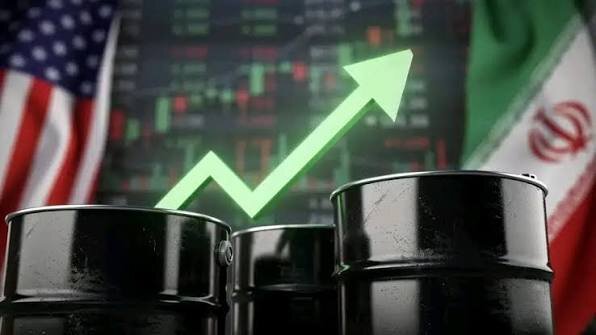
TEHRAN- As tensions rise over the possibility of a coordinated US-Israeli military strike against Iran, the world’s energy markets are quietly bracing for a shock that could dwarf previous oil crises.
While political rhetoric focuses on military objectives, energy experts warn that the strategic petroleum reserves of major consuming nations are dangerously inadequate to compensate for a real supply disruption.
According to experts, even after the United States released part of its strategic reserves, it became painfully clear that global stockpiles are finite and depleting rapidly. The market has already sensed the looming shortage.
More alarming is the vulnerability of Persian Gulf producers, who have already lost a substantial share of their output. If wells are forced to shut due to conflict, restarting them is neither quick nor simple, production losses could persist for months.
The best-case scenario, the swift reopening of the Strait of Hormuz and the lifting of a naval blockade, would still result in a daily loss of three million barrels, or 15 percent of regional output. That explains why oil futures are climbing even without a shot being fired. Should the blockade intensify and extend to the Bab el-Mandeb Strait, crude could surpass $150 per barrel in the near future.
Even if the strait were reopened tomorrow, analysts at Bloomberg warn that the "oil disaster" would last at least two months.
Returning to pre-conflict production levels depends on well type, equipment damage, and local conditions, some nations may recover in two months, others in five.
A US-Israel war on Iran is not merely a geopolitical flashpoint; it is a direct threat to global energy stability. Policymakers must recognize that military action carries an economic time bomb—one that no strategic reserve can defuse.
Leave a Comment